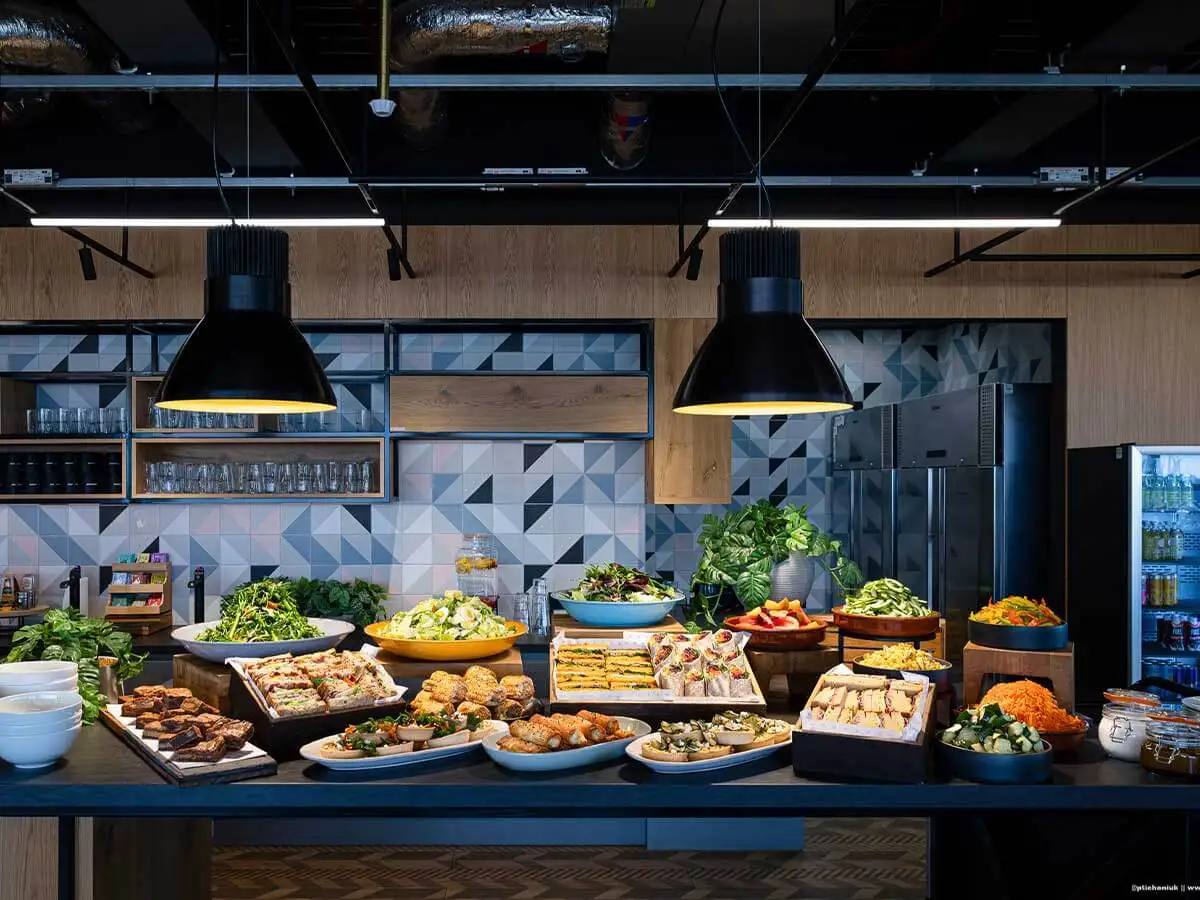
A sustainable catering setup balances elegance with environmental responsibility. By utilizing biodegradable materials and locally sourced ingredients, hosts can create a memorable experience while reducing waste. Thoughtful planning and creative presentations further enhance the appeal. Engaging guests in sustainability practices adds depth to the occasion. However, the journey toward a truly impressive and eco-friendly event involves more than just these initial choices. There are additional strategies that can elevate the entire experience.
Key Takeaways
- Use biodegradable or reusable materials for serving items to minimize waste and enhance the aesthetic appeal of your catering setup.
- Accurately estimate guest counts and select portion sizes to reduce food waste while still offering a variety of popular dishes.
- Incorporate seasonal, locally sourced ingredients to enhance flavors and support local economies, creating a connection between food and community.
- Design visually appealing buffet presentations with vibrant garnishes and plant-based options to impress guests and cater to diverse dietary preferences.
- Engage guests with interactive stations that educate on sustainability, showcasing the stories behind the menu to foster meaningful conversations.
Choosing Eco-Friendly Materials for Catering Setup
When planning a sustainable catering setup, choosing eco-friendly materials is essential for minimizing environmental impact while still delivering an impressive experience. Utilizing biodegradable plates, utensils, and cups can greatly reduce waste, making a positive statement about the host’s values. Reusable items, such as glassware and cloth napkins, not only enhance the aesthetic but also foster a sense of community among guests. Additionally, sourcing locally produced ingredients and materials supports local economies while decreasing carbon footprints. These tips for sustainable catering setup not only contribute to the environment but also create an inviting atmosphere, encouraging guests to share in the commitment to sustainability. Ultimately, thoughtful choices in materials can transform a catering event into a memorable celebration of eco-consciousness and inclusivity.
Minimizing Food Waste Through Smart Planning
While the culinary delights of a catering event are often the highlight, effective planning plays an indispensable role in minimizing food waste. Caterers can adopt a strategic approach by accurately estimating guest counts and selecting portion sizes that cater to the crowd without excess. Incorporating seasonal and local ingredients not only enhances flavor but also reduces spoilage. Additionally, offering a variety of dishes encourages guests to try new flavors, while thoughtful menu design can guarantee that popular items are prioritized. Leftover management is vital; implementing donation programs or composting can divert waste from landfills. By employing these tips for sustainable catering setup, caterers not only impress guests with their culinary expertise but also foster a sense of community responsibility.
Implementing Energy-Efficient Equipment
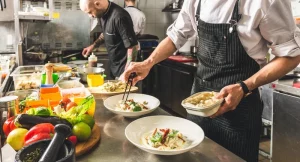
Effective planning not only minimizes food waste but also sets the stage for energy efficiency in catering operations. Implementing energy-efficient equipment is crucial for any caterer aiming to create a sustainable setup. Choosing appliances with high Energy Star ratings can considerably reduce power consumption, thereby lowering operational costs and environmental impact. Induction cooktops, for instance, heat food faster while using less energy than traditional gas stoves. Additionally, utilizing energy-efficient refrigeration systems guarantees that ingredients remain fresh without excessive energy expenditure. Investing in programmable timers and smart technology can further optimize energy use, adapting to real-time needs. By prioritizing these energy-efficient tools, caterers not only contribute to sustainability but also enhance their reputation, fostering a sense of community among eco-conscious clients.
Designing a Memorable and Sustainable Buffet Presentation
How can caterers create a visually stunning buffet that also prioritizes sustainability? By thoughtfully selecting eco-friendly materials and seasonal ingredients, caterers can design a memorable presentation that resonates with guests. Using biodegradable platters, reusable serving utensils, and locally sourced produce not only showcases culinary creativity but also reflects a commitment to the environment. Arranging dishes in an eye-catching manner, such as incorporating vibrant garnishes or multi-tiered displays, elevates the overall aesthetic. Additionally, offering a variety of plant-based options can appeal to diverse dietary preferences while minimizing resource use. By following these tips for sustainable catering setup, caterers can impress guests and foster a sense of belonging, making each event an unforgettable experience rooted in shared values.
Engaging Guests With Sustainable Practices During Events
To create a meaningful connection with guests, caterers can incorporate sustainable practices throughout the event experience. Engaging guests with interactive stations encourages participation, allowing them to learn about local ingredients or sustainable sourcing methods. Offering plant-based options not only caters to diverse dietary preferences but also highlights eco-friendly choices. Providing reusable utensils and compostable containers fosters a sense of responsibility, inviting guests to contribute to sustainability efforts. Additionally, sharing stories behind the menu items can deepen connections and spark conversations about environmental consciousness. By integrating these tips for sustainable catering setup, caterers can impress guests and enhance the overall experience, fostering a collective sense of belonging and shared values around sustainability.
Frequently Asked Questions
How Can I Source Local Ingredients for My Catering Setup?
To source local ingredients for a catering setup, one can explore farmers’ markets, connect with regional farms, join local food cooperatives, and utilize online platforms that promote farm-to-table sourcing, ensuring freshness and community support.
What Are the Benefits of Biodegradable Serving Ware?
Biodegradable serving ware offers environmental benefits, reducing landfill waste and pollution. It provides guests with a sense of contributing to sustainability efforts, enhancing the overall dining experience while aligning with eco-conscious values.
How Do I Handle Leftover Food After the Event?
After the event, one should consider donating leftovers to local shelters or food banks, composting organic waste, or storing food safely for personal use, ensuring minimal waste while supporting community needs and promoting responsible practices.
Are There Certifications for Sustainable Catering Services?
Yes, various certifications exist for sustainable catering services, including Green Restaurant Association and USDA Organic. These certifications help consumers identify environmentally responsible choices, fostering a sense of community support for sustainable practices in the catering industry.
Can I Incorporate Seasonal Themes Into Sustainable Catering?
Incorporating seasonal themes into sustainable catering enhances the experience. Utilizing local produce and seasonal decor creates a vibrant atmosphere, fostering a sense of community while celebrating nature’s bounty, thereby aligning with sustainable catering setup principles.
Conclusion
Incorporating sustainable practices into catering not only conserves resources but also enhances the guest experience. By selecting eco-friendly materials, minimizing food waste, and utilizing energy-efficient equipment, hosts can create a memorable event that aligns with environmental values. Thoughtful buffet designs and engaging interactions further enrich the atmosphere, leaving a lasting impression on guests. Ultimately, a commitment to sustainability transforms gatherings into meaningful celebrations that foster community and demonstrate a collective responsibility toward the planet.
You May Also Like To Read: